The gap between stated ambition and deployed capital is perhaps nowhere more evident in global finance than in the energy transition. The numbers on the commitment side are extraordinary: an estimated $106 trillion of global infrastructure investment is needed through 2040 to decarbonise the energy system -- with approximately 75% concentrated in digital infrastructure, power generation, transportation, and renewables.
And yet. The deployment of capital into genuinely transition-enabling infrastructure remains structurally insufficient relative to what the physical transformation of the energy system requires. The reasons are not difficult to identify: permitting complexity that can delay a wind or solar project for 5-10 years in many European and American jurisdictions; grid infrastructure that was designed for centralised, dispatchable power generation and struggles to integrate high volumes of intermittent renewables; the financing structures required to fund 25-30 year infrastructure assets in a regulatory and political environment that can change faster than asset lives; and the energy security imperatives that the Russia-Ukraine conflict has placed ahead of decarbonisation on the priority hierarchy of many national governments.
The resulting picture is of an energy transition that is real -- renewable energy capacity is being deployed at historically unprecedented rates -- but that is also slower, more expensive, and more politically contested than the most optimistic transition scenarios assumed. For capital allocators, the practical question is not whether the energy transition will happen, but which specific assets, in which jurisdictions, at which point in the value chain, offer attractive risk-adjusted returns in a complex and long-duration investment environment.
The Structural Demand Surge: AI's Power Problem
The energy transition's fundamental challenge -- matching supply growth with demand growth -- has been significantly complicated by an unexpected demand variable: artificial intelligence. The AI infrastructure buildout is driving an electricity demand surge that is, in several important markets, growing faster than renewable energy capacity can be added.
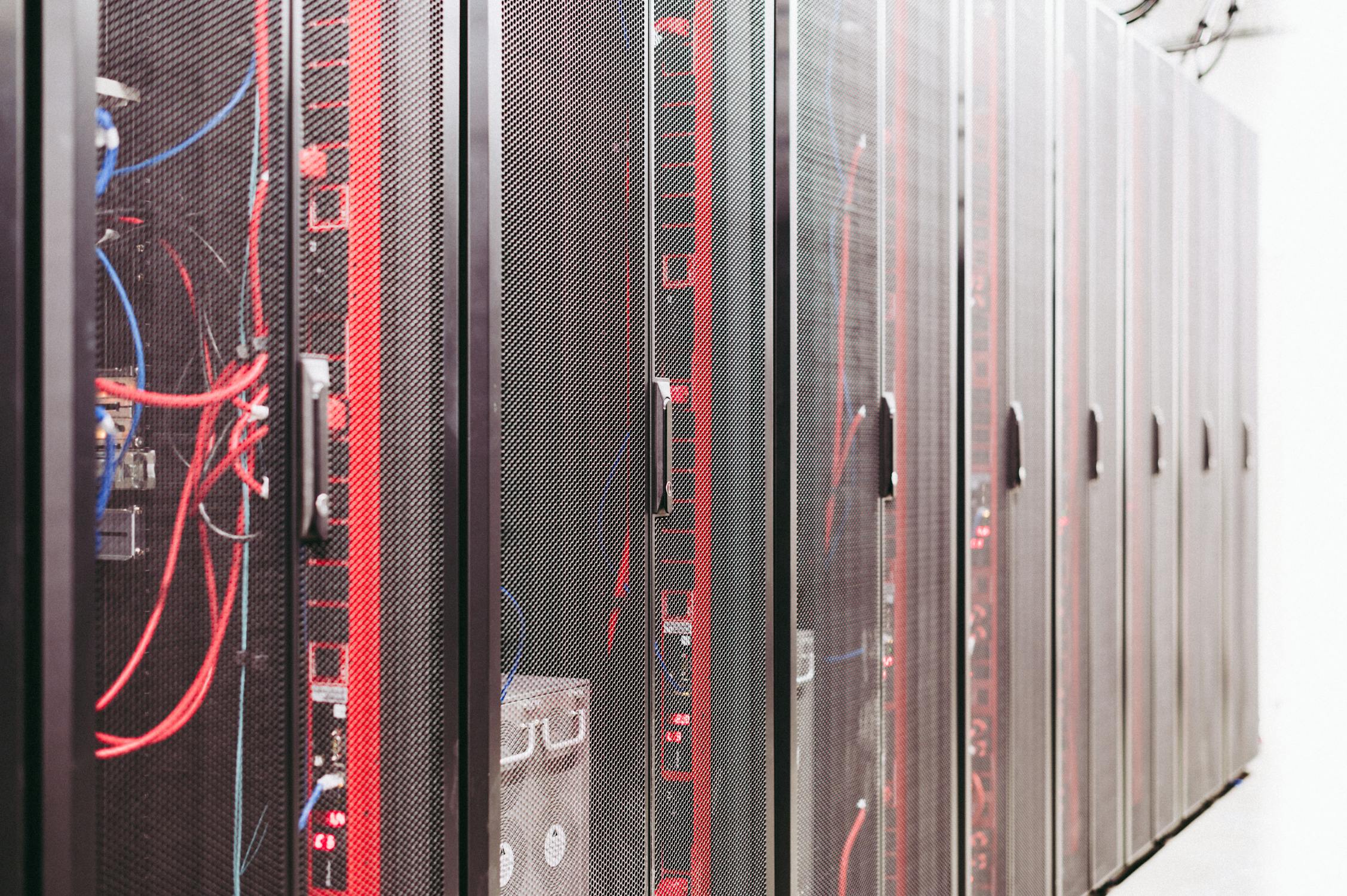
The arithmetic is instructive. A large-scale AI data centre consuming 100 megawatts of power -- a reasonable size for a major hyperscaler facility -- requires the equivalent output of several large wind farms running at capacity factor, or a meaningful portion of a nuclear plant's output. When hyperscalers are building multiple such facilities simultaneously, and when the pipeline of planned facilities extends into the hundreds globally, the aggregate power demand is material relative to grid supply.
Data centres already account for approximately 2-3% of global electricity consumption. Forecasts project this rising toward 8-10% by 2030 as AI workloads scale. In specific markets -- northern Virginia, which hosts the largest data centre concentration in the world; Ireland, which hosts many European hyperscaler facilities; and Singapore, which is constrained by its small geographic footprint -- data centre power demand is already creating genuine grid stress.
This tension between AI power demand and renewable energy development has several important capital market implications. It has revived serious investor and policy attention to nuclear power -- the only zero-carbon, dispatchable, high-density power source that can reliably serve the continuous power needs of AI data centres. It has accelerated investment in natural gas generation as a bridging source. And it has created a premium for any energy-adjacent infrastructure that can provide reliable, scalable power close to data centre clusters.
The Green Bond Market: Scale, Integrity, and Evolution
The green bond market has grown from essentially nothing in 2007 to a global annual issuance volume approaching $700-800 billion, including green bonds, social bonds, and sustainability-linked instruments. The market provides a mechanism for issuers to signal environmental commitment and access an investor base that has mandated allocations to sustainable finance.
Several structural features of the market are worth examining carefully.
Use of proceeds. The classic "green bond" commits the issuer to allocate the proceeds of the issuance to specific, defined environmental projects -- renewable energy construction, energy efficiency retrofitting, clean transport, water management, and similar categories. The environmental integrity of the instrument depends on the quality of this allocation: whether the projects funded are genuinely additional, whether the environmental impact is measurable, and whether the allocation is independently verified.
Sustainability-linked bonds (SLBs) and loans (SLLs). These instruments differ from use-of-proceeds green bonds: instead of tying the proceeds to specific projects, they commit the issuer to achieving specific sustainability performance targets (KPIs), with the coupon or interest rate adjusting if the targets are missed. The appeal is flexibility. The risk is that KPIs are set to be achievable rather than ambitious, and that the financial cost of missing them is too small to create genuine behavioural incentive.
Regulatory pressure on greenwashing -- the gap between labelled and genuine environmental performance -- has intensified significantly. The EU's Green Bond Standard, the SEC's climate disclosure rules, and similar frameworks in the UK and Asia are creating higher standards for the environmental claims associated with sustainable finance instruments.
Infrastructure Finance: The $106 Trillion Opportunity
Beyond the green bond market, the infrastructure finance opportunity associated with the energy transition is the largest investment theme of the century. Several sub-sectors merit specific attention.
Grid infrastructure. The single largest capital need in the energy transition -- and the category where underinvestment is most acute -- is transmission and distribution grid infrastructure. Existing grids were designed for a world of centralised, dispatchable fossil fuel generation. Integrating large volumes of geographically distributed, intermittent renewable energy requires significant upgrades: new transmission lines, grid intelligence and control systems, and the energy storage capacity to manage supply variability.
Battery storage. The transition from intermittent to reliable renewable electricity requires storage capacity that can absorb excess generation when supply exceeds demand and dispatch it when demand exceeds supply. Battery energy storage systems (BESS) -- primarily lithium-ion at current prices, with sodium-ion, vanadium flow, and longer-duration technologies in development -- are being deployed at increasing scale.
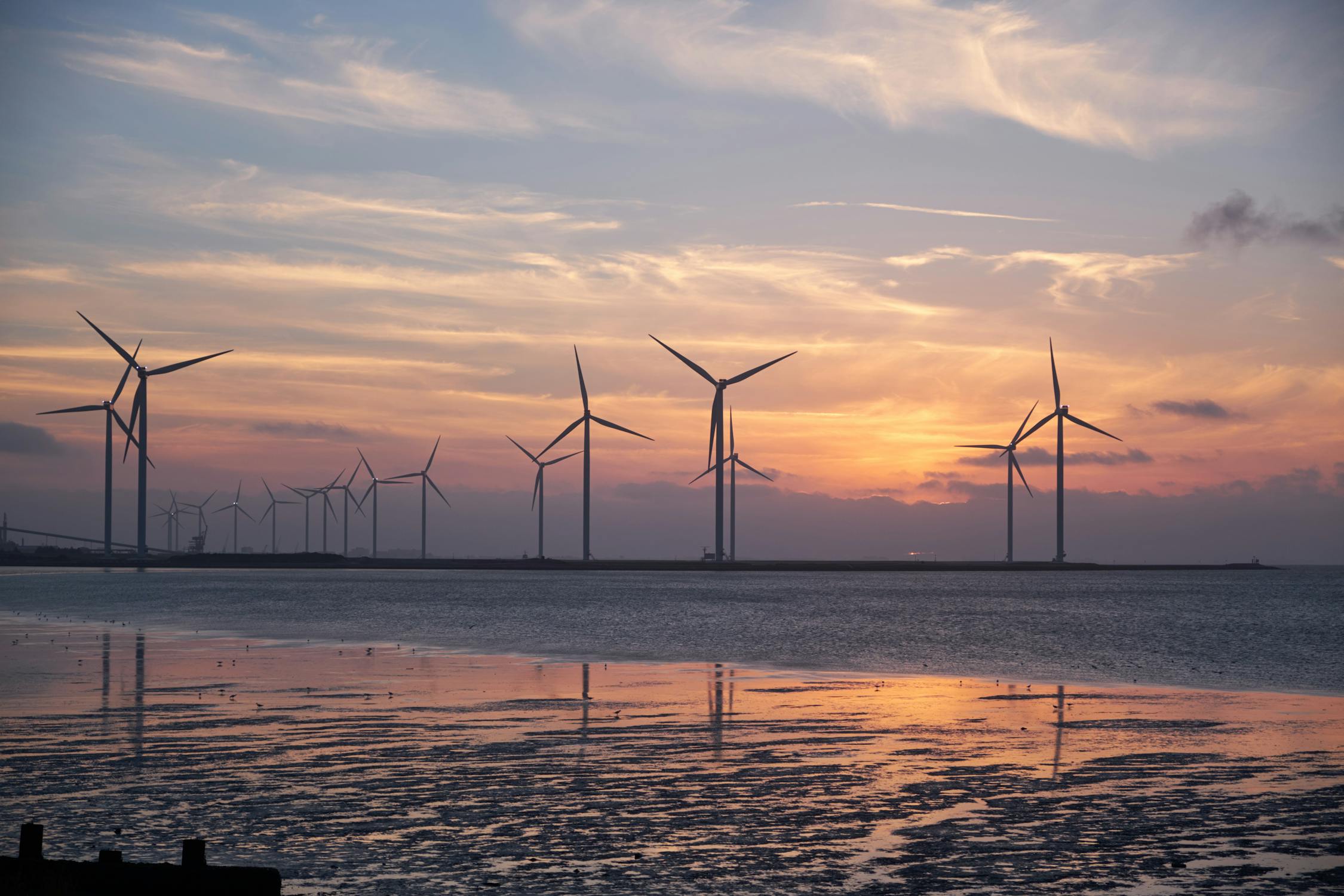
Offshore wind. Offshore wind is the most capital-intensive renewable energy technology and the one with the most complex financing structure. The offshore wind sector has encountered significant financial stress over the past two years. Cost inflation -- driven by rising steel prices, supply chain constraints, and higher interest rates -- has pushed the levelised cost of energy for new offshore wind projects above the contract prices that many developers secured in earlier auction rounds.
Energy Security vs. Decarbonisation: The Unsolved Tension
The Russia-Ukraine conflict has permanently altered the European energy security calculus in ways that create genuine tension with the pace of decarbonisation. Energy security -- the reliable access to affordable energy at scale -- was placed ahead of climate objectives on the priority hierarchy of multiple European governments in 2022 and has not been fully restored to its original position.
The practical manifestations of this tension are visible in investment decisions. LNG terminal construction in Germany, the Netherlands, and other European countries has proceeded at pace. Coal plant lifetimes have been extended in Germany and elsewhere. These are not decisions that any government announced with enthusiasm -- they are the pragmatic responses of energy ministers who understood that the alternative was industrial collapse and social instability.
For capital allocators, the energy security/decarbonisation tension is a feature of the investment environment rather than a temporary aberration. The energy transition will proceed -- the policy commitments, the technology cost reductions, and the increasing climate-related physical risk all point in the same direction. But the pace and the specific investment mix will be more variable, more politically conditioned, and more sensitive to supply chain disruptions than the most optimistic scenario analyses assumed.
Conclusion: Patient Capital, Selective Deployment
The energy transition finance opportunity is real, large, and multi-decade. Its scale is beyond what public capital alone can address, and private capital will play a central role in funding the physical transformation of the energy system.
The discipline required of institutional investors in this space is patience and selectivity -- patience because the returns on infrastructure assets are long-duration and require tolerance of illiquidity; selectivity because the risk profile of energy transition assets is highly variable across technology type, jurisdiction, offtake structure, and development stage.
This discipline is harder to maintain in an environment of abundant dry powder and competitive pressure to deploy. But it is the discipline that separates the institutional infrastructure investors who will generate durable returns from those who will face write-downs when technology risk, political risk, or counterparty risk materialises in portfolios that were assembled without adequate analytical rigour.
This article is produced by Brenton Financial Research for informational and educational purposes only. It does not constitute financial, investment, legal, or tax advice. The views expressed reflect the research team's analysis of publicly available information and should not be relied upon as the basis for any investment decision. Brenton Financial Pty Ltd (ABN 21 696 298 227). Past performance is not indicative of future results.